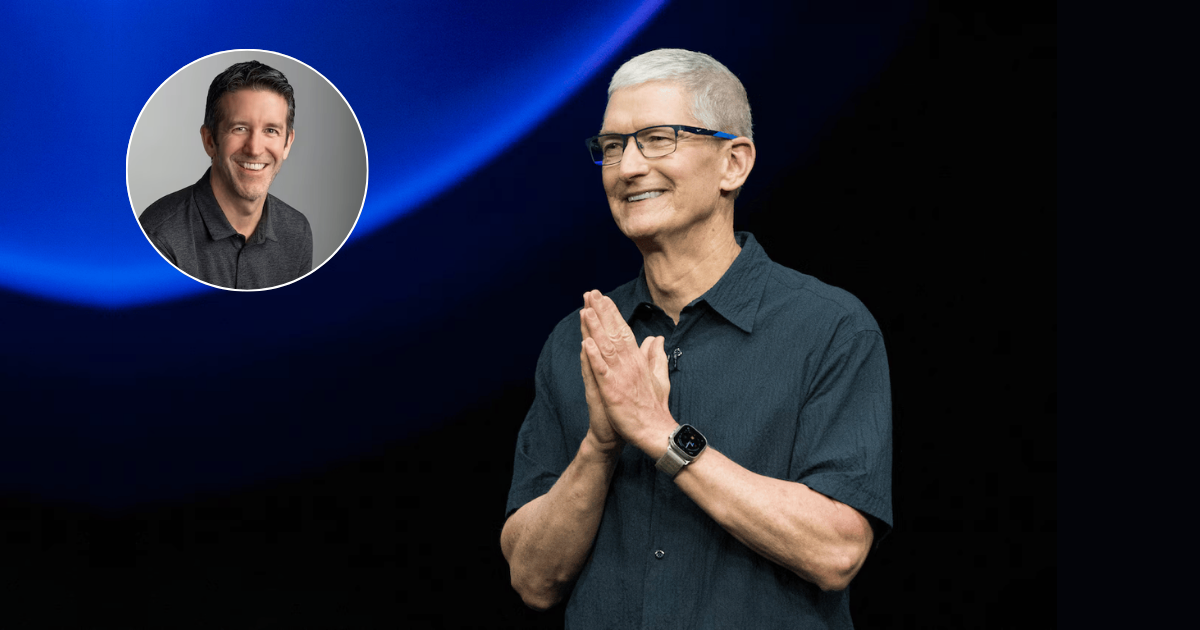
Tim Cook Steps Down: Apple Names John Ternus as Next CEO in Major 2026 Shake-Up
Apple Inc. Announces Leadership Transition: Tim Cook to Become Executive Chairman, John Ternus Named Next CEO
In a landmark leadership transition, Apple has announced that Chief Executive Officer Tim Cook will step down from his role and assume the position of executive chairman of the company’s board, effective September 1, 2026. Succeeding him as CEO will be John Ternus, Apple’s current senior vice president of Hardware Engineering.
The move, unanimously approved by Apple’s board of directors, marks the first CEO transition since Cook succeeded co-founder Steve Jobs in 2011. Cook will remain in his current role through the summer to ensure a seamless handover before transitioning into a more strategic position focused on governance and global policy engagement.
A Defining Legacy
Cook’s tenure at Apple has been transformative. Over 15 years, he steered the company from a market valuation of approximately $350 billion to an unprecedented $4 trillion, while annual revenue surged from $108 billion in 2011 to over $416 billion in 2025. Under his leadership, Apple expanded its footprint to more than 200 countries and territories and grew its active device base to over 2.5 billion.
Beyond financial growth, Cook reshaped Apple’s business model. He championed the expansion of the company’s services division—encompassing platforms like iCloud, Apple Music, and Apple Pay—into a business generating over $100 billion annually. This strategic pivot reduced reliance on hardware cycles and established a stable, high-margin revenue stream.
Cook also oversaw the launch of new product categories, including the Apple Watch, AirPods, and Apple Vision Pro, while leading Apple’s transition to in-house silicon—an innovation that significantly improved device performance and energy efficiency.
Equally notable has been his emphasis on corporate values. Under Cook, Apple strengthened its stance on user privacy, accessibility, and environmental sustainability, cutting its carbon footprint by more than 60% compared to 2015 levels.
Enter John Ternus
Incoming CEO John Ternus brings a markedly different profile. A 25-year veteran at Apple, Ternus has deep roots in hardware engineering and product development. Since joining Apple’s product design team in 2001, he has played a central role in shaping key product lines, including the iPhone, iPad, Mac, and Apple Watch.
Ternus has been instrumental in advancing Apple’s hardware innovation, from introducing new materials like recycled aluminum compounds and 3D-printed titanium to improving device durability and repairability. He also led the development of recent flagship products such as the iPhone 17 lineup, the ultra-thin iPhone Air, and the more accessible MacBook Neo.
His leadership has been closely associated with engineering excellence and product refinement—qualities that are expected to define Apple’s next phase.
Strategic Continuity, Not Disruption
Industry observers view this transition less as a radical shift and more as a strategic recalibration. While Cook’s era was defined by operational efficiency, global scale, and service monetization, Ternus is expected to reinforce Apple’s identity as a product-driven innovator.
This comes at a critical time. Apple faces increasing pressure from competitors like Google and Microsoft, particularly in artificial intelligence and cloud computing. Ternus’s technical background may position Apple to accelerate innovation in hardware-software integration, potentially leveraging partnerships such as its reported use of Google’s Gemini AI for enhancing Siri.
At the same time, slowing device upgrade cycles and ongoing global supply chain challenges—partly driven by geopolitical tensions—underscore the need for more compelling product differentiation.
Board Restructuring
As part of the leadership reshuffle, long-serving chairman Arthur Levinson will transition to the role of lead independent director after 15 years as non-executive chairman. Ternus will also join Apple’s board of directors.
Levinson praised Cook’s “unprecedented leadership” and expressed confidence in Ternus, citing his technical expertise and commitment to innovation as critical assets for Apple’s future.
Looking Ahead
The transition signals a carefully managed evolution rather than a disruptive overhaul. With Cook remaining actively involved as executive chairman and Ternus stepping in as a product-focused leader, Apple appears poised to balance its highly profitable services ecosystem with renewed emphasis on hardware innovation.
As the company enters this new chapter, the central question is not whether Apple will change—but how it will refine its strategy to remain at the forefront of an increasingly competitive and rapidly evolving technology landscape.