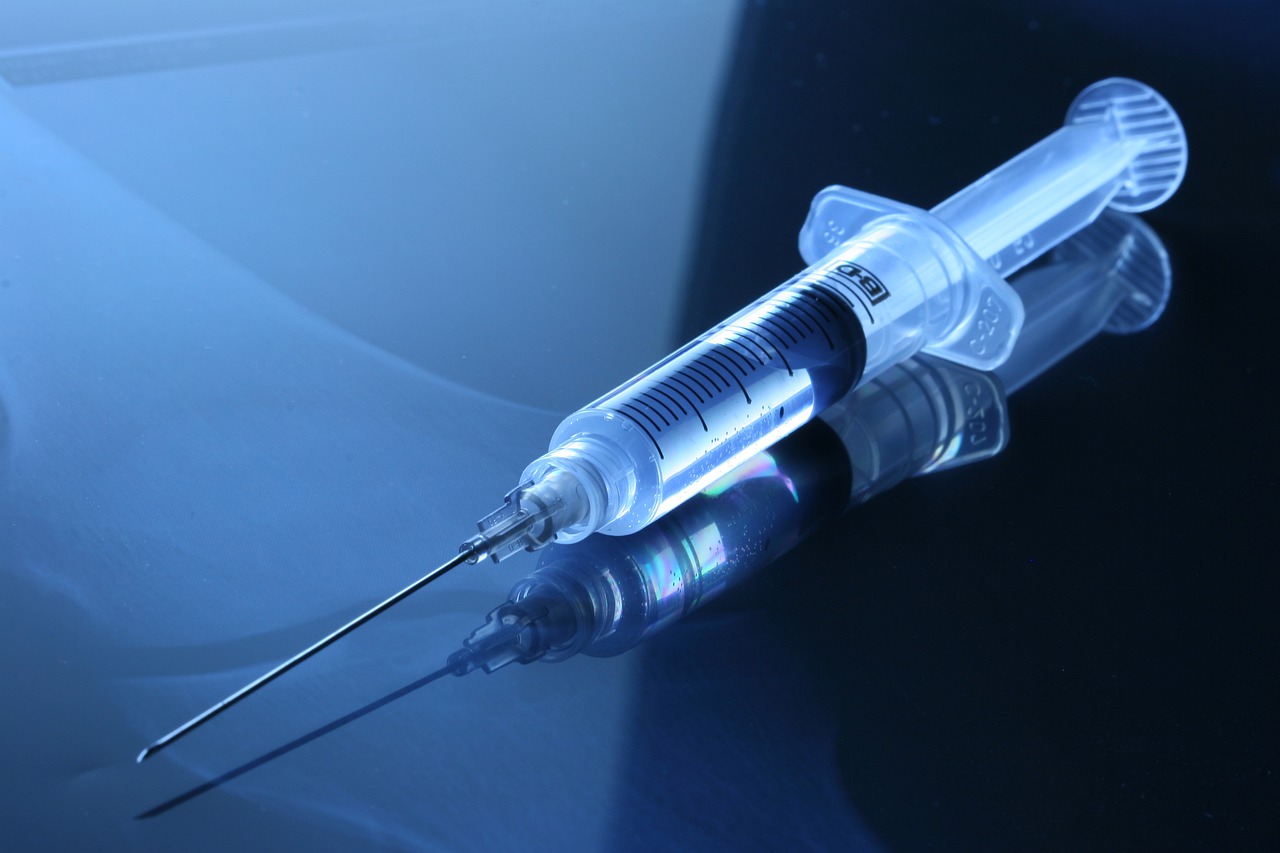
Kenya rolls out WHO approved ARV injection
The first clinical trials were conducted in Europe and the US.
In Kenya on the other hand the first patient was injected with the drug at Aga Khan University Hospital, Nairobi, last Thursday, in a bid to test the delivery of the injectable in an African health care system.
The latest clinical study known as CARES (Cabotegravir And Rilpivirine: Efficacy and Safety Study.) Is an ongoing health programme aimed at testing the efficacy of an injectable ARV drug, despite having been approved by the World Health Organisation for use after numerous studies in the US and Europe, it can’t be generalised that the drug can work well in an African environment.
Researchers in Kenya have kickstarted trials for injectable HIV drugs cabotegravir and rilpivirine.
While the injectable drugs were officially licensed by the UN health body, WHO, most of the clinical trials were conducted in North America and the Eurasia region whose background are diverse compared to Africa.
The drugs will be given once every two months.
Testing of the new drug in the African region will determine it’s efficacy in the continent that is already fragile to HIV/AIDS.
The trials have already commenced in Kenya, Uganda and South Africa.
“This study is looking at using a different way of taking the HIV medicine; using injections of two medicines given once every two months,” Prof Rena Shah said
“These injected medicines have worked well in previous studies done in the USA, Europe and South Africa but have not yet been evaluated in the rest of Africa.”
Shah, who is an infectious disease expert at Aga Khan Hospital in Nairobi leading the study has stated that the injectable ARV is expected to improve people’s lives since they will no longer have to swallow pills every day, the former mode of consuming the medication has been known to be hectic for users when it comes to swallowing and using it on time.
“Successful treatment of HIV leads to control of viral multiplication. This success relies on people taking their drugs regularly,” she said.
“The way someone takes their drugs may depend on several factors that include the number of drugs taken, ease of swallowing, number of times they are taken, taste and side effects.”
Currently the trials are being coordinated from Uganda at the Joint Clinical Research Centre in Kampala.
The two East African countries have three trial centres each whereas South Africa will have two trial centres with 202 participants from Uganda, 160 participants from Kenya and 150 participants from South Africa, both totaling 512 participants.
The Kenyan trial centres will include Kenyatta National Hospital (conducted by United States Army Medical Research Directorate Kenya) and AMPATH in Eldoret.
The current clinical study is financed by Janssen EMEA with drug donations from both manufacturers of Cabotegravir ((Viiv/GSK) and Rilpivirine (Janssen).
The participants in the trials will be adults living with HIV and are already on the A.R.T.
Participants will be allowed to either continue to take the oral medication or opt for the injectable drug.
Those who opt for the injection will have the option of either starting the injection straight away or taking the tablet form of Rilpivirine and Cabotegravir for one month before starting injections.
Once in the programme, each patient will be monitored for 24 months to determine the efficacy of the new drug.
“The purpose of the trial is to demonstrate whether this injection can do as well as the current tablet in terms of especially controlling the HIV virus,” the hospital said.